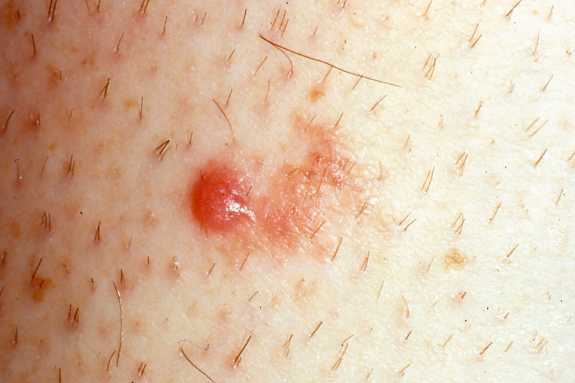
Melanoma is a
malignant skin cancer that generates from the melanocytes. The melanocytes are cells of the skin that produce the dark pigment, melanin. The name of this cancer, as you may have guessed, comes from these cells.
There are several new cases of
malignant melanoma occurring in the world each year. According to the World Health Organization (WHO), the number of new cases diagnosed each year is around 160,000 and the deaths connected to the melanoma tumor are about 48,000.
The
melanoma skin cancer these days has a frequency that is increasing in the normal population. It's incidence is higher in females than in males. The ages that are affected by this
skin tumor vary from 35 to 65 years. Melanoma occurs rarely within 30 years.
This tumor can be mostly found in caucasian people with fair skin that live in sunny climates. It is more common in Australia, New Zealand, North Europe and North America.
There are four main
types of melanoma:
- Lentigo Maligna Melanoma;
- Superficial Spreading Melanoma;
- Acral Lentiginous Melanoma;
The major
risk factors of the
melanoma skin cancer are:
- an excessive exposure to sunlight;
- excessive use of the UV (ultraviolet) lamps;
- having a family history of melanoma cancer;
- the presence of previous skin lesions, nevi or moles;
- using oral contraceptives.
Melanoma has some early
symptoms that can be recognized if paid attention to the changes of shape, color or size of existing moles or nevi, or the appearance of new lesions on the skin. These symptoms are summarized by the
ABCDE rule:
- Asymmetry of the skin lesion;
- Borders: the lesion has irregular borders;
- Color: melanomas have multiple colors;
- Diameter: the lesion's diameter is usually greater than 6 mm;
- Enlarging: over time the lesion or nevus enlarges.
Visual diagnosis is the method most commonly used even by professionals for detecting possible melanoma tumors. Therefore, the ABCDE rule is a very important rule that should be learned by everyone for facing the risk of melanoma. One should pay attention to suspicious moles, lesions or nevi and report them as soon as possible to a specialized doctor.